Carols at Sun Rising

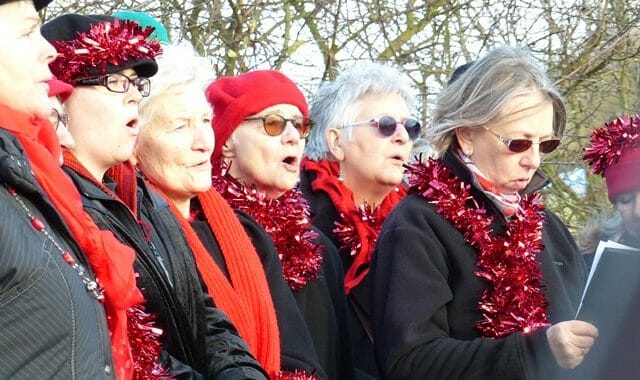
Over 130 people came to our carol concert at Sun Rising on Sunday last, and we were blessed with gentle dry weather throughout.  The choir were just marvellous, as were the mince pies, Christmas shortbread, and mulled wine, we shared afterwards.  We deeply appreciate the gift given us by the choir, not just of their music but the sharing and good will, thank you!  Thanks too to everyone who came along or supported in every way, bringing mince pies and the willingness to sing.

Carols at Sun Rising

Carols at Sun Rising

The choir was made up from Low Wimmin Singing and SYDNI Singers in Leamington Spa.  For more information about the choirs, do get in touch with Cathie Zara on cathiezara@gmail.com.

On top of the lovely energy, as a fundraising event, we made over £200 for The Friends of Sun Rising!  Thank you to all.

We’ll be at Sun Rising between 10 and 12.30 on Thursday 25 December, with mince pies and coffee, especially for those who are going to find Christmas Day difficult this year.

Dylan Thomas Evening

Not directly about Sun Rising, this is however an evening of Dylan Thomas poetry with donations collected for Oxfordshire hospices, organising by the Wychwood Poets.

http://allsortspoetry.blogspot.co.uk/2014/12/celebrating-dylan-thomas-centenary-in.html

There will be readings of Dylan Thomas poems, and a few new poems, including one of mine, written in the old Welshman’s style and in his honour.

The date is Thursday 18 December, venue is the Blue Boar in Witney.  More details on the left hand panel when you click the link.  All are welcome.

Suffering the Fire

A new novel has just been presented to us at Sun Rising.  ‘Suffering the Fire’ was written by Barry Hotson, who sadly passed away before its publication this last year.  Laid to rest at Sun Rising, half of the royalties from the book will be donated to The Friends of Sun Rising.

The book is based on and inspired by the 1974 Flixborough Disaster, Britain’s largest peacetime explosion until Buncefield in 2005.  I understand that it is a personal tale, about family and the way that we see the world changes when we go through crisis.  When I’ve read it, I’ll write a review!

Suffering the Fire

Suffering the Fire by Barry Hotson

The book is available through the usual channels : we would encourage you to order it from your local bookshop, but it is also available online.  Have a look at our web page : http://sunrising.co.uk/friends/barryhotson.html

Tree Planting

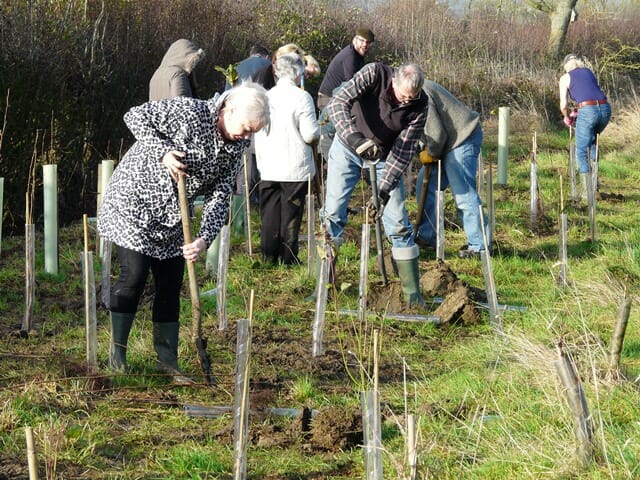
Each year at this time we are planting trees at Sun Rising.  This year, over 60 memorial trees are being planted in memory of loved ones buried or remembered at Sun Rising, the majority being planted on graves.  For many of the trees planted, family and friends come along, and either help with the planting or watch one of our team doing the work.

This year we have also planted almost three hundred saplings, both trees and shrubs, to extend the hedgerows along the lane and down the southern boundary.  For this, some two dozen volunteers came in to help with the planting.

Tree Planting Volunteers

Tree Planting Volunteers

The sense of community engendered at these events is wonderful.  Every person has a loved one buried or remembered at the Sun Rising, or works alongside us as caring professionals who also understand grief.  Over the coming years, it will be lovely to watch the little saplings grow.

Thank you to all the volunteers!

Armistice Day

However much we detest the justifications, apparent causes and consequences of war, as individuals striving to create peace in all that we do, at Sun Rising the 11 November gathering is an important point in our calendar of events.  This year, amidst windy wet days, we had soft grey stillness for the gathering, allowing a profound focus.  With no religious words spoken, the sense of acknowledgement, sorrow and respect, was poignant.  The sacred was evident, in whatever terms we may use to describe that.

Hedgerow Haws

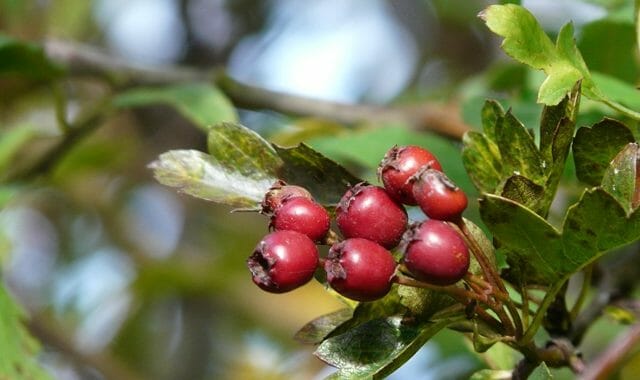
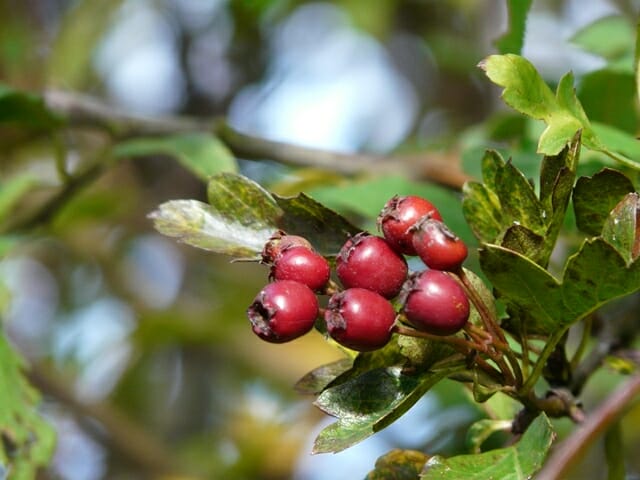
Hawthorn berries, haws, in the hedgerow

The poem I read can be found on our War Memorial page: sunrising.co.uk/burialground/warmemorial.html

Dogwood

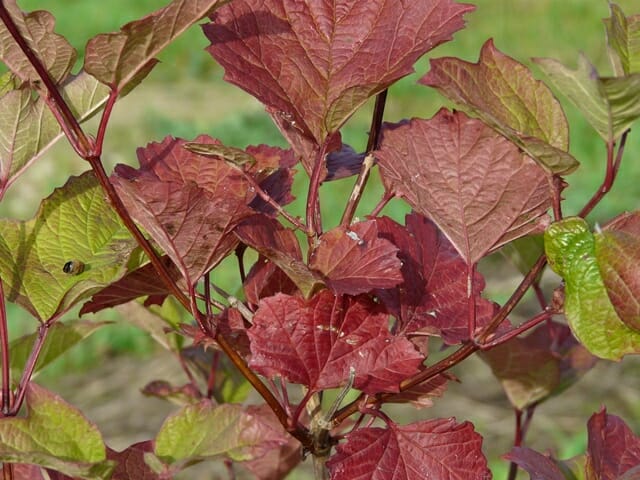
Here’s another beautiful image of autumn at Sun Rising : the dogwood in berry.  The dogwood leaves are such a rich array of colours at this time of year, the stems so bright amidst the grey of leafless hawthorn and blackthorn, but only when those leaves are a backdrop to the berries does the full nature of the plant shine out.

Dogwood Berries

Dogwood Berries

It isn’t just a hint of the colours that this picture shows, but the grace of nature, the elegance of the leaves.  Look at the leaf to the top/right of the berries: like the poised hand of a dancer.  And when the leaves fall, softly drifting down, almost in silence, it inspires us again.

Diary Date : Carols at Sun Rising

We are delighted to have now confirmed our date for this year’s Carols at Sun Rising event.  It will be held on Sunday 14 December at 11 am.  You can check our Activity Days for information on this and other events.

I know it seems terribly early to think about Christmas, but I am letting you know the date, so you can put it into the diary, let family and friends know, then return again to the glorious beauty of the autumn’s colours.

In case you need a little persuading, there will again be warm mulled wine, mince pies, and the good company of friends old and new, singing traditional carols, listening to the choir performing lesser known carols, together with some non-religious winter songs too.  There will also be an opportunity to buy our Sun Rising Christmas cards, and of course jars of Sun Rising honey, the perfect winter gift.

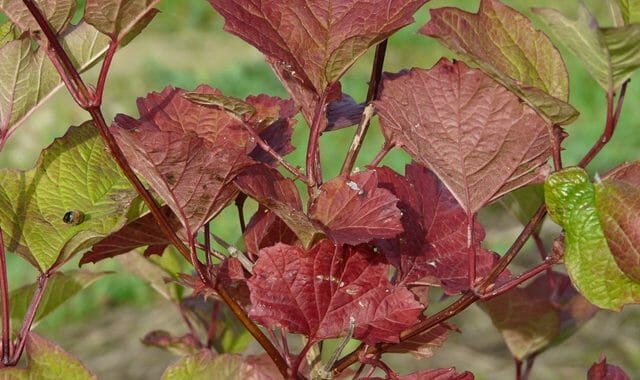
OK, that’s enough Christmas for the time being.  Let’s return to the exhilarating beauty of autumn, the changing colours of the trees, and the dance of falling leaves …  The rich burgundy of the guelder rose is breathtaking.

Guelder Rose

Autumn colour of the Guelder Rose

Gardening for Wildlife Week

Gardening for Wildlife Week is 15 – 21 September this year.  This is an awareness-raising initiative between the RHS and the Wildlife Trusts, as you can see on their website at http://www.wildaboutgardensweek.org.uk , keen to get people involved and happily exploring the potential for habitat in their own patch.  Have a look at our local OWLs event too, by putting Oxhill into the events search towards the bottom of the page.  We’ll be making insect houses out of pretty much anything we can find …

Haking Rakers

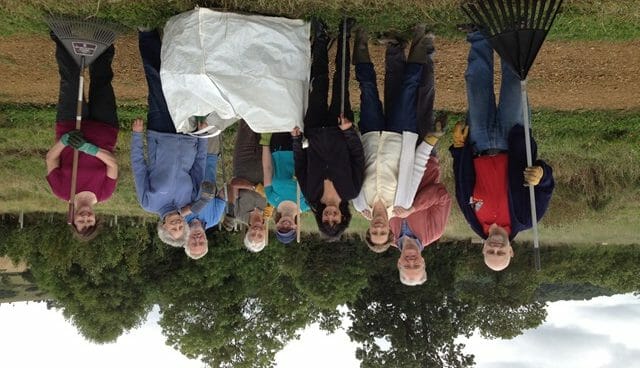
A note of thanks to all our lovely volunteer rakers this year.  Following problems with the machinery, our raking days were a little scattered, but we did manage to catch a group of you in this lovely photograph.  Thank you!  There is still more mowing and raking to get done, so I’ll thank those who are yet to join us too!

Raking the Meadow

Volunteers Raking the Wildflower Meadow at Sun Rising August 2014

Although it sounds like the most perfectly natural state, in actual fact keeping a wildflower meadow as a wildflower meadow takes a good deal of management.  Left to its own natural processes, after the flowering, the plants would go to seed, then die back.  Falling so they lie on the earth, the vegetation would matt in the damp, rotting, like a compost heap, all the rich nutrients of their growth going back into the soil.

Wildflowers, though, need a soil with low fertility. If the soil became richer in the areas where we are growing wildflowers, instead of that beautiful display of betony, selfheal, knapweeds, mallow, trefoils, and so on, we’d begin to get the richer grasses once again colonising the land.  Furthermore, without mowing, we’d soon get blackthorn, hawthorn, maple and birch seedlings.  Within a few years it would look like scrub land, and within ten it would be on the way to woodland.

In order to maintain a nature reserve as a patchwork of diferent habitats, offering the richest potential biodiversity to the broadest array of wild flora and fauna, we must manage the land carefully.  We mow the long growth of summer in the wildflower meadows, raking off the arisings to compost them them elsewhere.  That compost can then be used to help plant trees in areas where the soil fertility can afford to be higher.

Thistle Gall

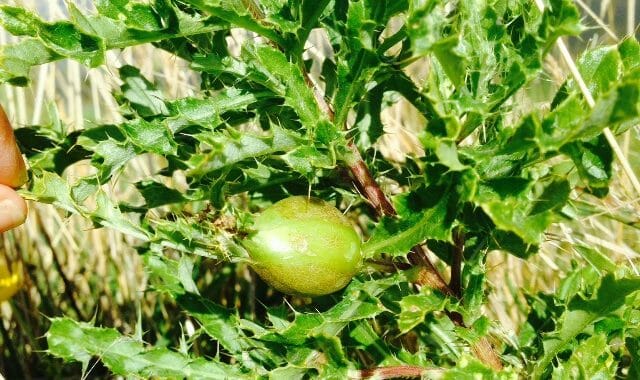
There are so many wonderful moments of discovery when we immerse ourselves in the natural world.  On Sunday, we found a thistle gall on creeping thistle (Cirsium arvense) by the pond.  It’s the first one I’ve seen, or noticed, and I was keen to explore more.

Thistle Gall

Thistle Gall on Creeping Thistle at Sun Rising

The thistle gall fly (Urophora cardui) is a beautiful black and white fly.  For readers who are interested, here are a couple of links.  http://www.naturespot.org.uk/species/thistle-gall-fly . This blog gives some fascinating information too –  https://blogs.reading.ac.uk/whiteknightsbiodiversity/2011/10/15/553/.